LUS : Umberto Legnani
|
The story of Umberto Legnani is a true-life tale of hard work, vision and perseverance.
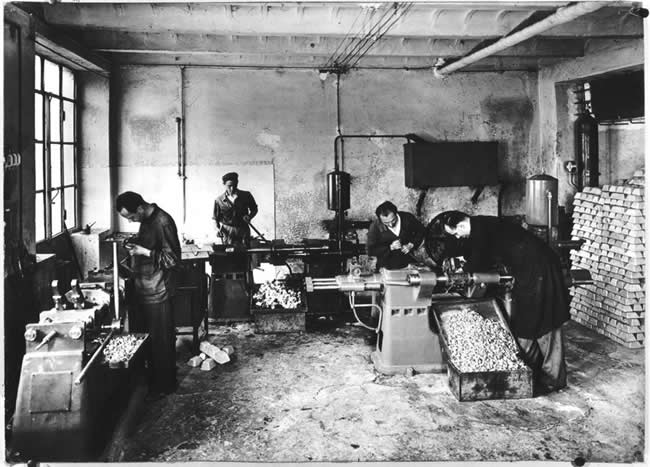
But Umberto had a few savings and he started a small business with his wife, Giuseppina Carnelli, manufacturing drawing pins and steel nibs in the town of Saronno. His workplace was a damp and dark basement in a small alley in Saronno.
This small but active town, where the famous Amaretto liqueur is made, is located near Milan, in Northern Italy, which was (and still is) the industrial center of Italy, where the majority of the Country's manufacturing capabilities are concentrated. Business grew steadily for the Legnanis and they registered their company in 1931, under the L.U.S. trade name.
The acronym stood for "Legnani Umberto, Saronno", but it also recalled the italian word "lusso" or "luxury, style" and it was short and catchy.
In 1934 Umberto Legnani hired a few machinists and started manufacturing the
first fountain pens.
Some celluloid fountain pens were also marketed under the Mondial or Mondiale brands, but they were probably made for LUS by Stilo Everest, a maker of good quality pens based in Settimo Torinese.
The breakthrough for LUS came after WW2. New, modern looking fountain pens had been introduced by Parker (the famous Parker 51) and Aurora (the "88") among others: these new pens had metal caps and their construction used new plastics that offered consistent quality and low manufacturing costs. Signor Legnani saw the opportunity offered by the reconstruction effort after the war and decided to concentrate his company's product development efforts on a series of innovative fountain pens.
He decided to expand in two distinct directions: first, the development of high quality fountain pens that would match or surpass the best pens then available. These pens would be sold through established fountain pen shops and stationers. Second, he would build a reliable, attractive, very low cost fountain pen, affordable by everyone and sold through a myriad of unconventional outlets such as tobacconists, news-kiosks, convenience stores and even Bars.
Legnani also saw early on the potential of the ballpoint pen. His first ballpens were introduced in 1950: he designed a sleek retractable ballpoint pen, called the “Retracto”. The pen was slim and modern looking and instantly successful. A more upmarked model, gold plated, soon followed the “Retracto” and was called, quite logically, “Golden Retracto”, as well as an economy pen, called the “K2”, introduced in 1952.
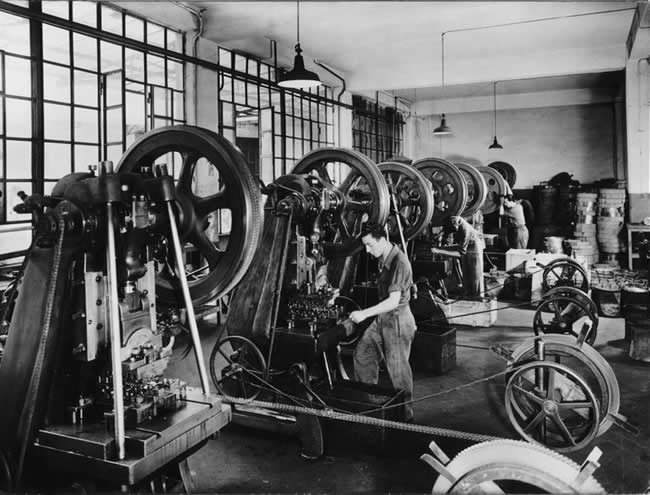
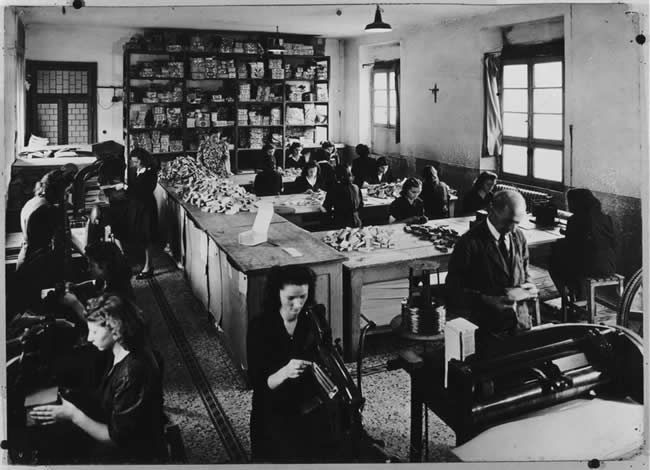
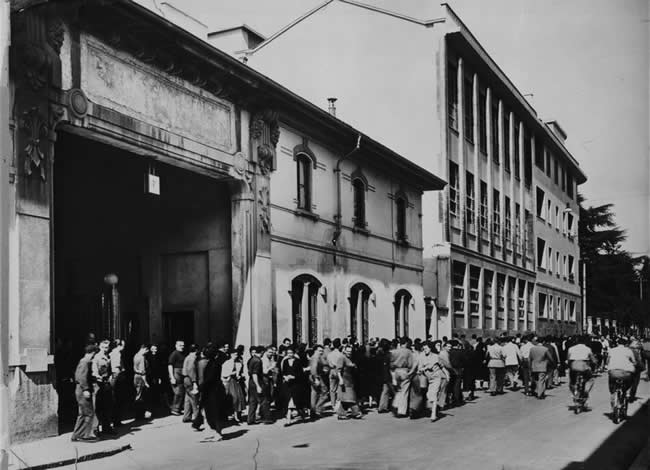
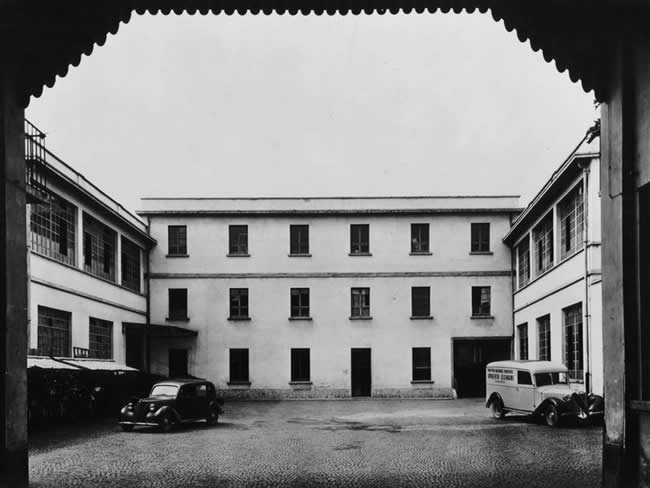
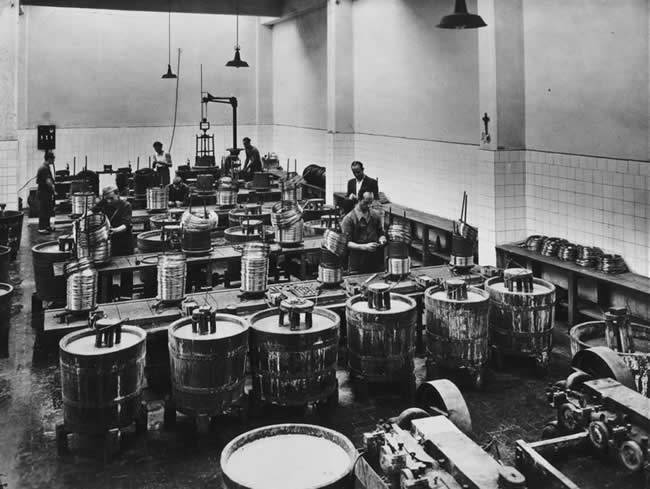
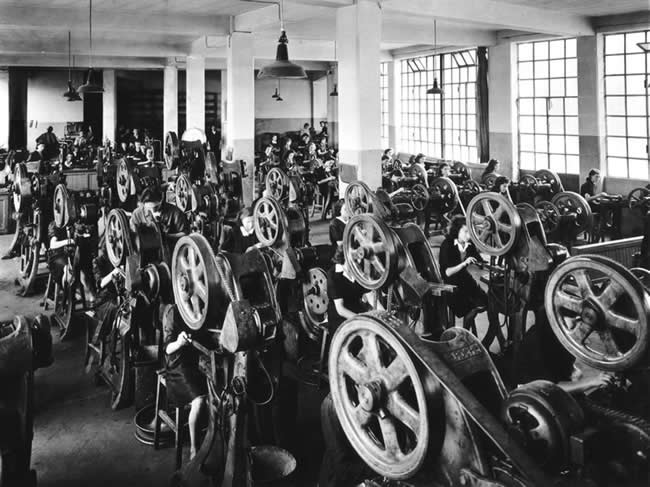
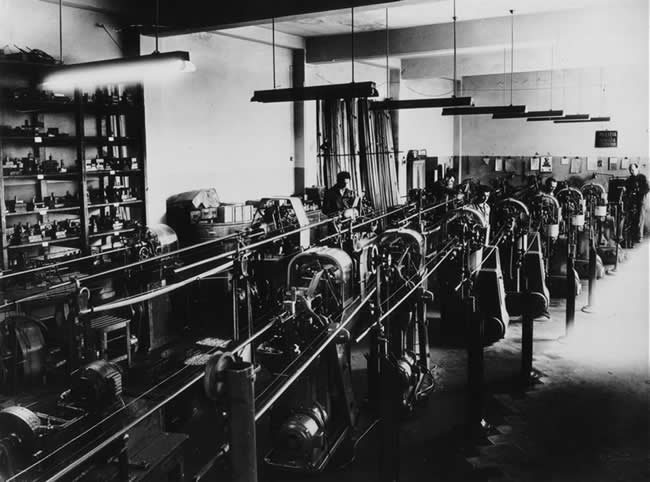
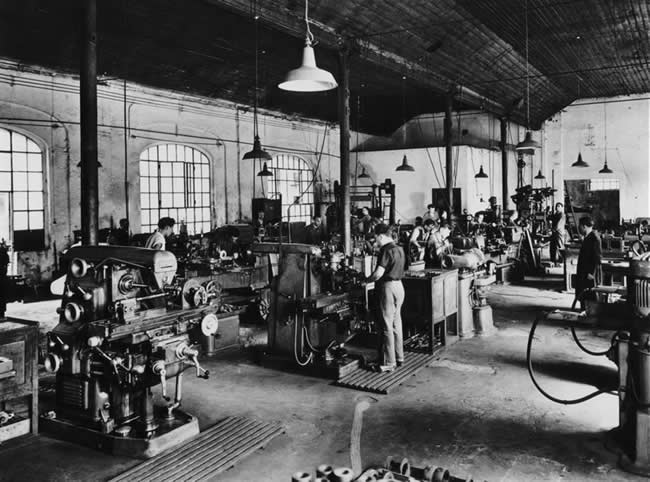
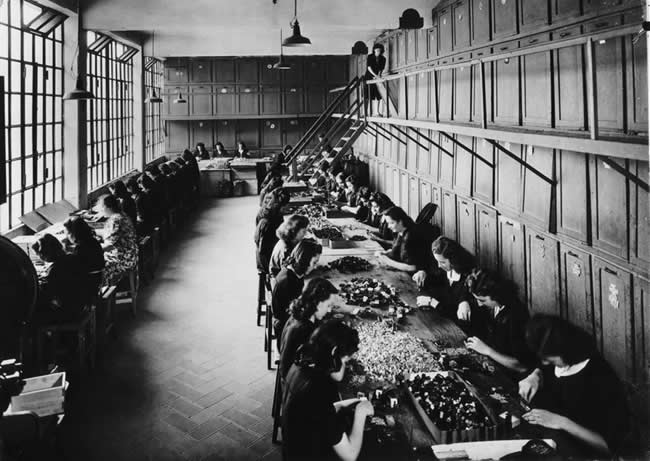
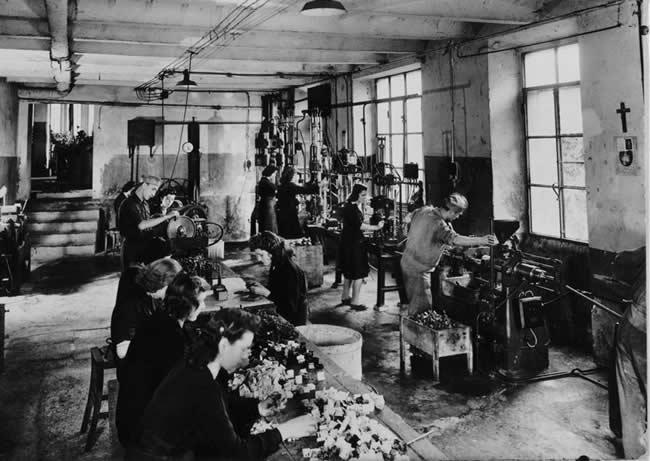
The factory was expanded and renovated and the output, in the mid-1950s, reached a remarkable quantity of 400,000 pens produced per day! These included both fountain pens and metal ballpoint pens.
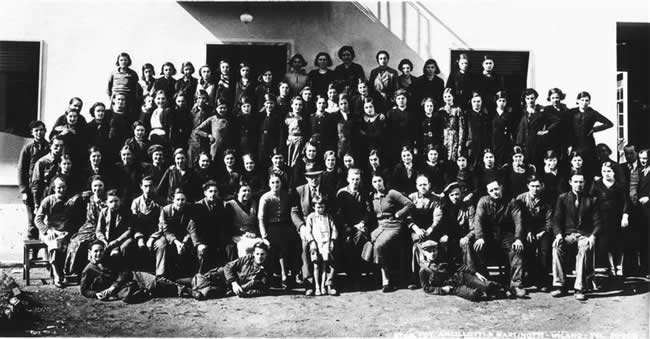
Umberto Legnani was now a successful business icon in Italy and, yet, he retained his simple values: he got up every day at 6 a.m., worked in his factory, always looking for ways to improve his products, and was familiar with all his employees. He called his factory “A great family, where everyone gets along well”.
Before his death, which occurred in 1968, he told an interviewing reporter: “I am today as I always was. At first, a was poor, I had nothing, now I am financially comfortable. But I am still the same, I did not change… as we were born, so we live!” He would often use the pronoun “we” instead of “I” because everything he did, he did with his wife, from the harsh beginnings until the end of his life.
|